West Side Lane
The term "Western Side Lane" is my own name, so archaeologists probably won't understand it.
↓On the right, there is a closed restaurant. If you go through the souvenir street from Puerta 1, you will pass to the left of this building and come out here. To the left (south) of the building, you can see the remains of the 1m-high platform of the Great Compound. Photos 01 to 04 below were taken from the Street of the Dead.
Photo 01↓...South of the closed restaurant.

Photo 02↓...north of the closed restaurant.
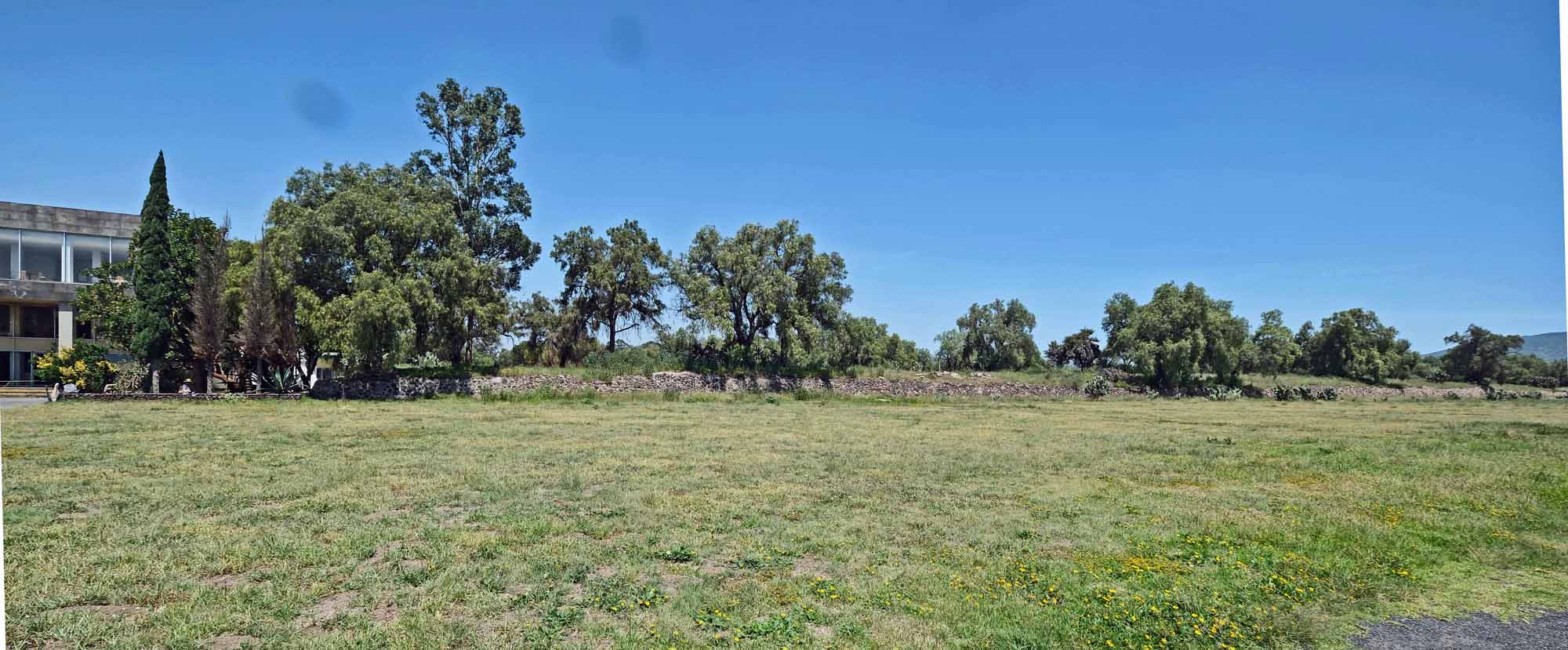
Photo 03↓...further north.
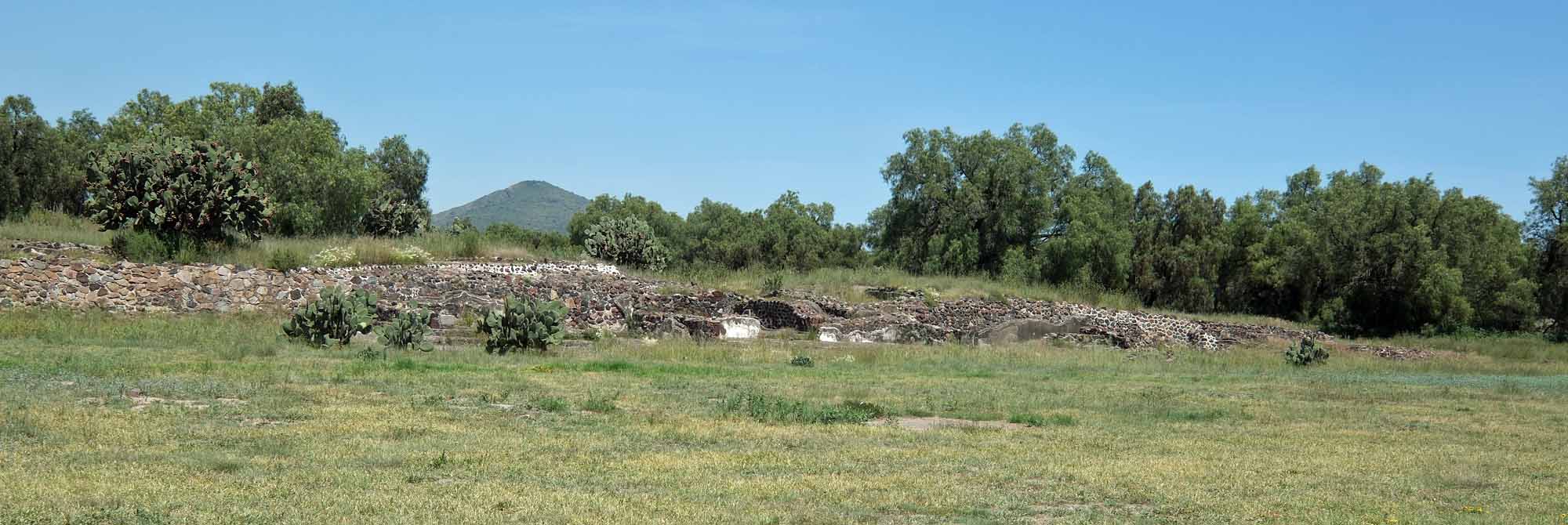
Photo 04↓...So further north.
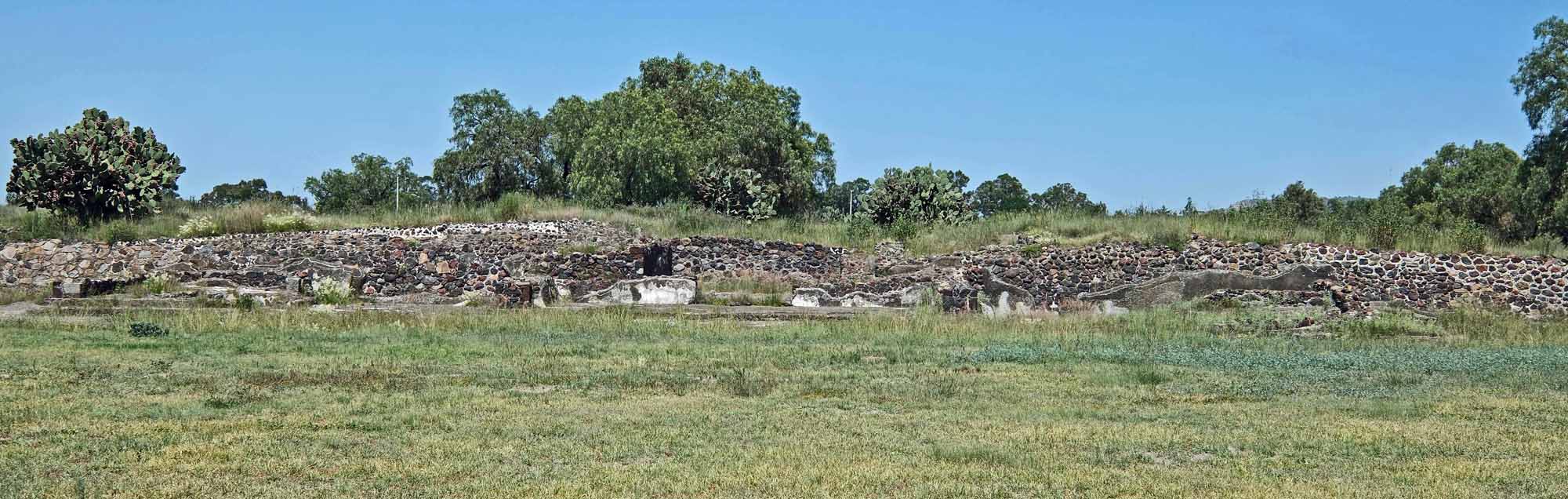
Photo 05↓...The remains of "Room 1" are in the northeast corner of the Great Compound.
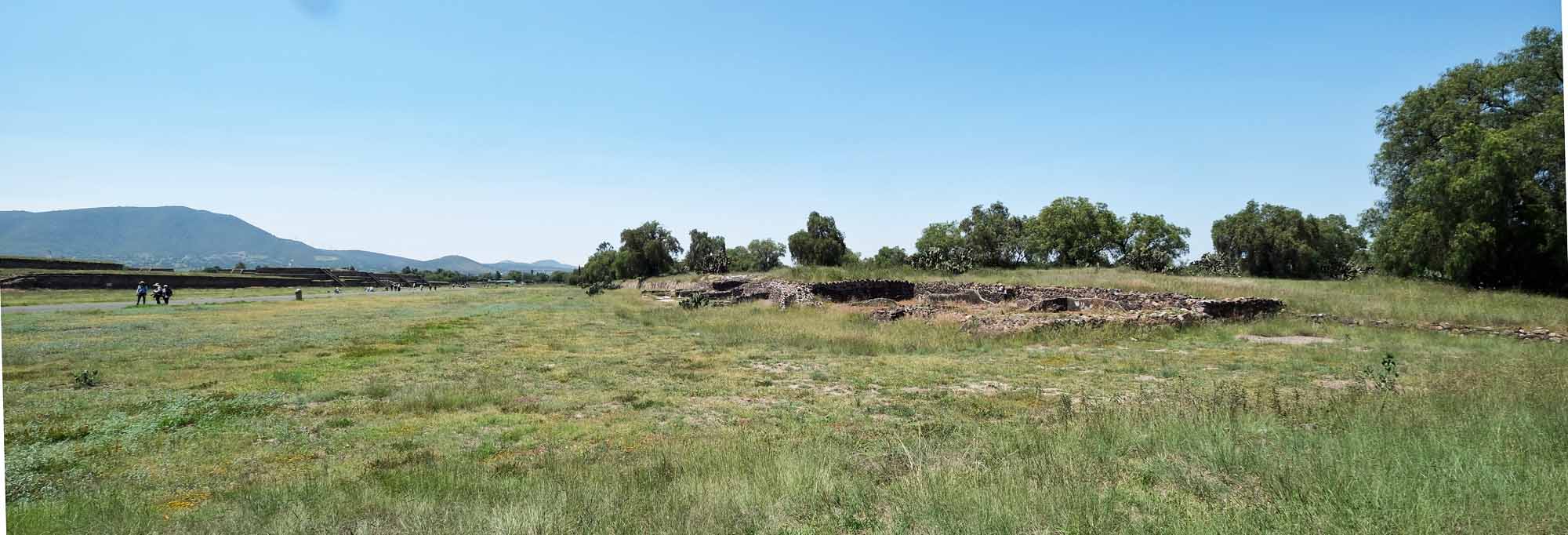
Photo 06↓...A close-up photo of "Room 1".
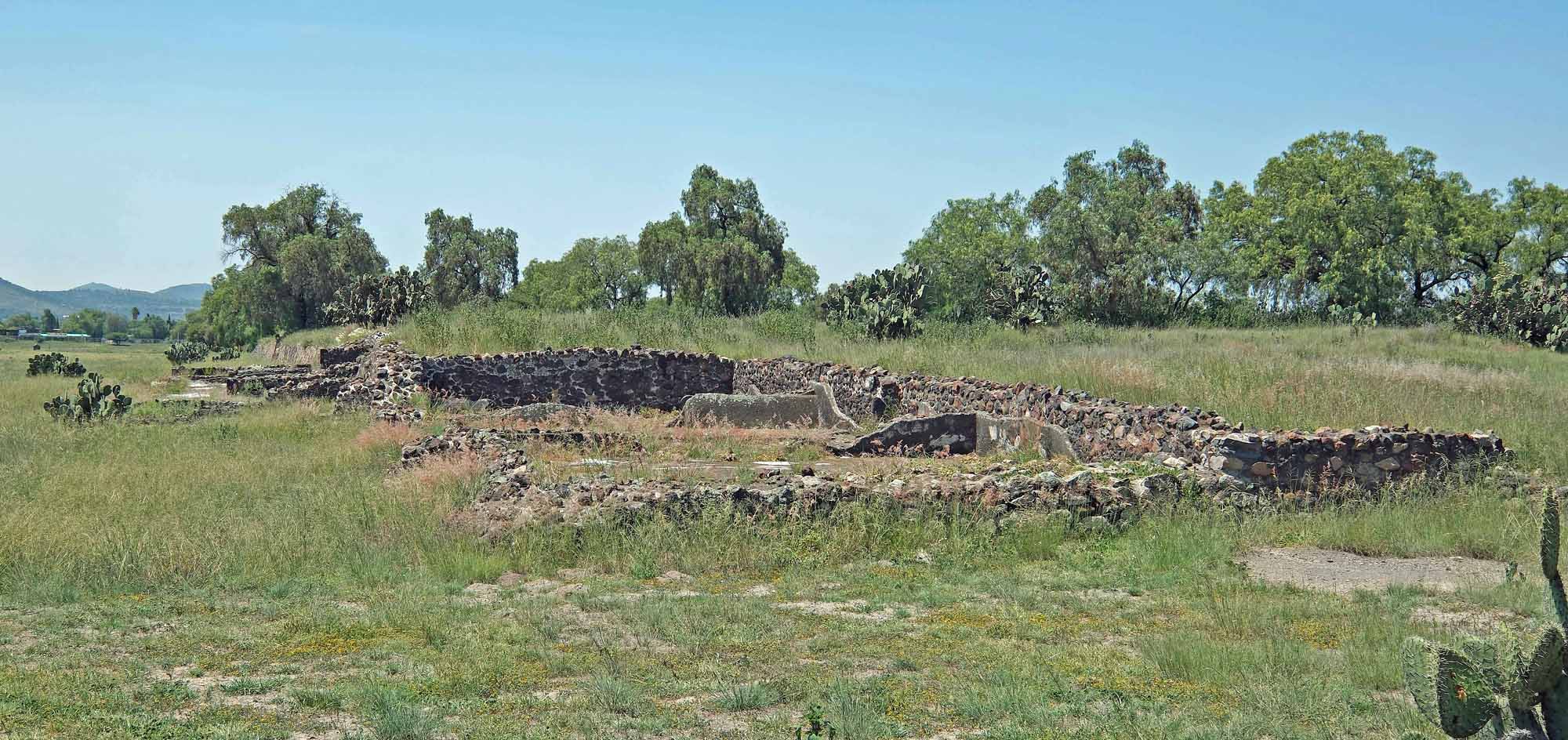
Photo 07↓...The west side lane begins slightly north of "Room 1." Turn left (west) from Street of the Dead.
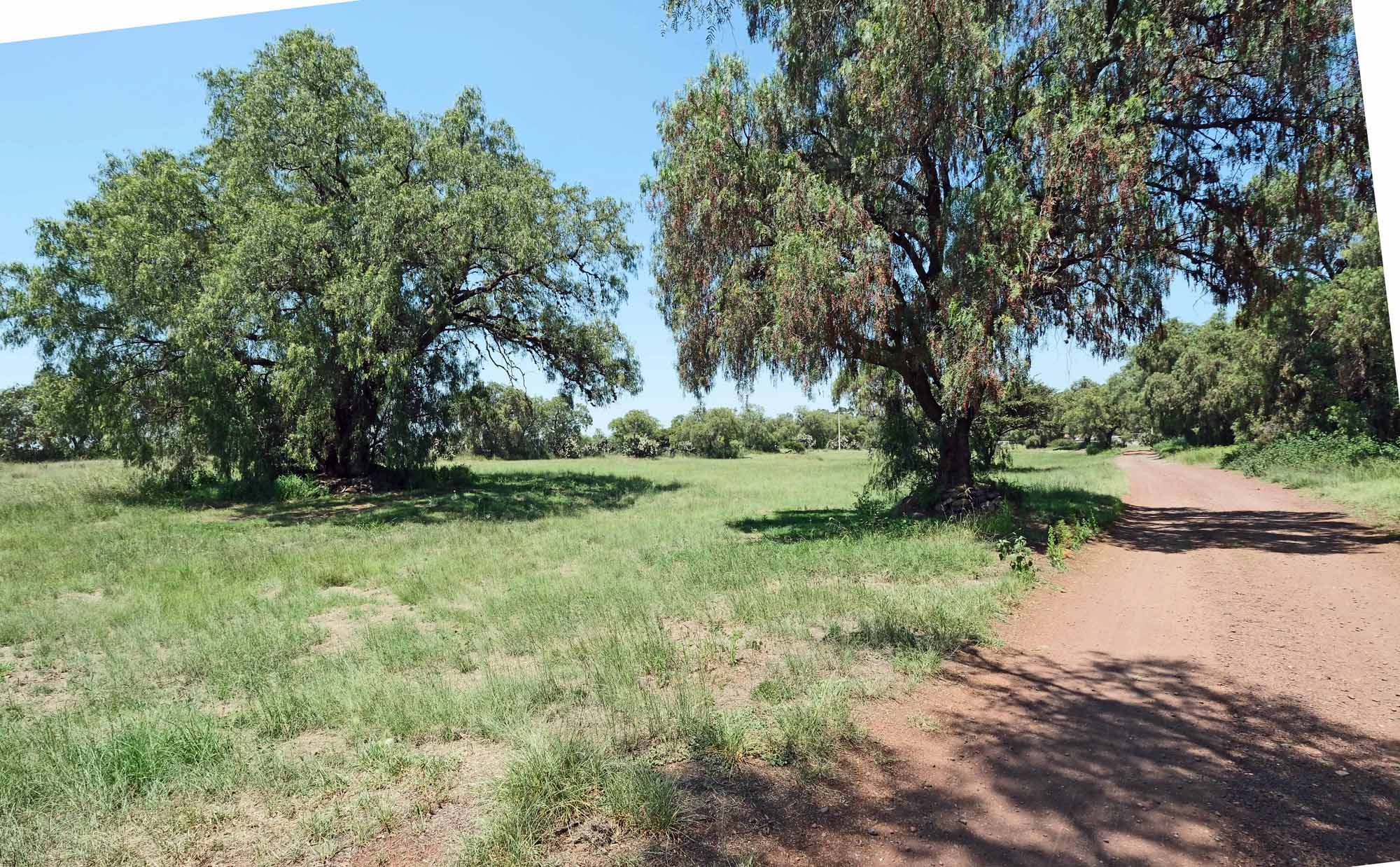
Photo 08↓...After walking a little further, we look back. We can see four small temples on the platform to the north of Ciudadela.
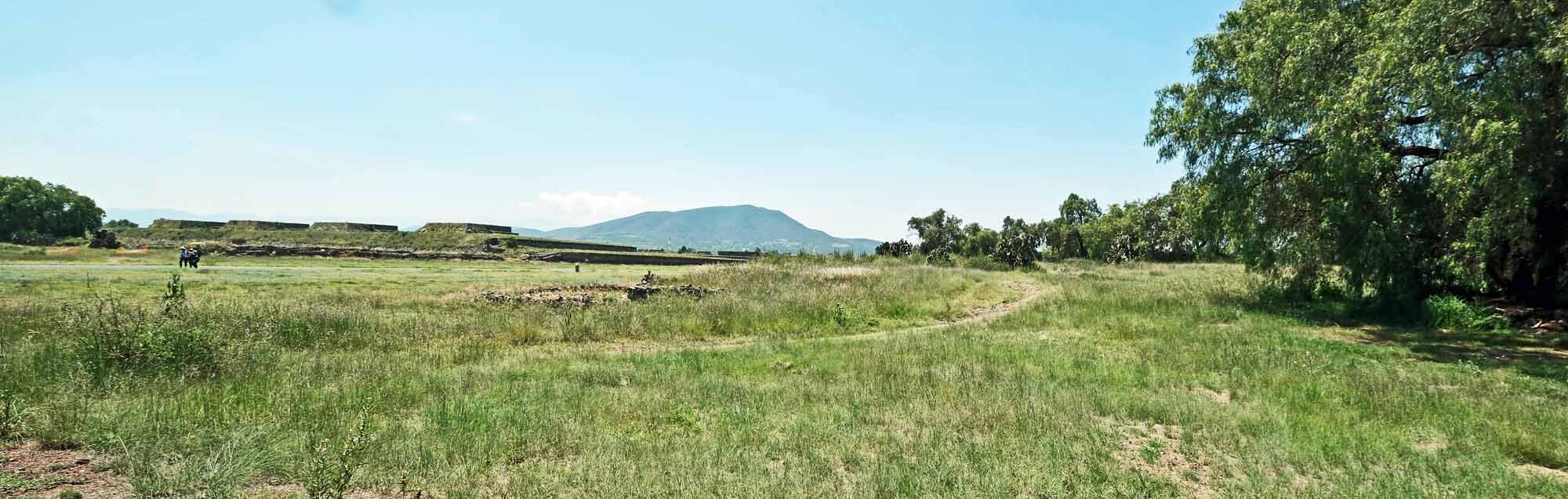
Photo 09↓...If you go further, you will see the remains of a building on the left.
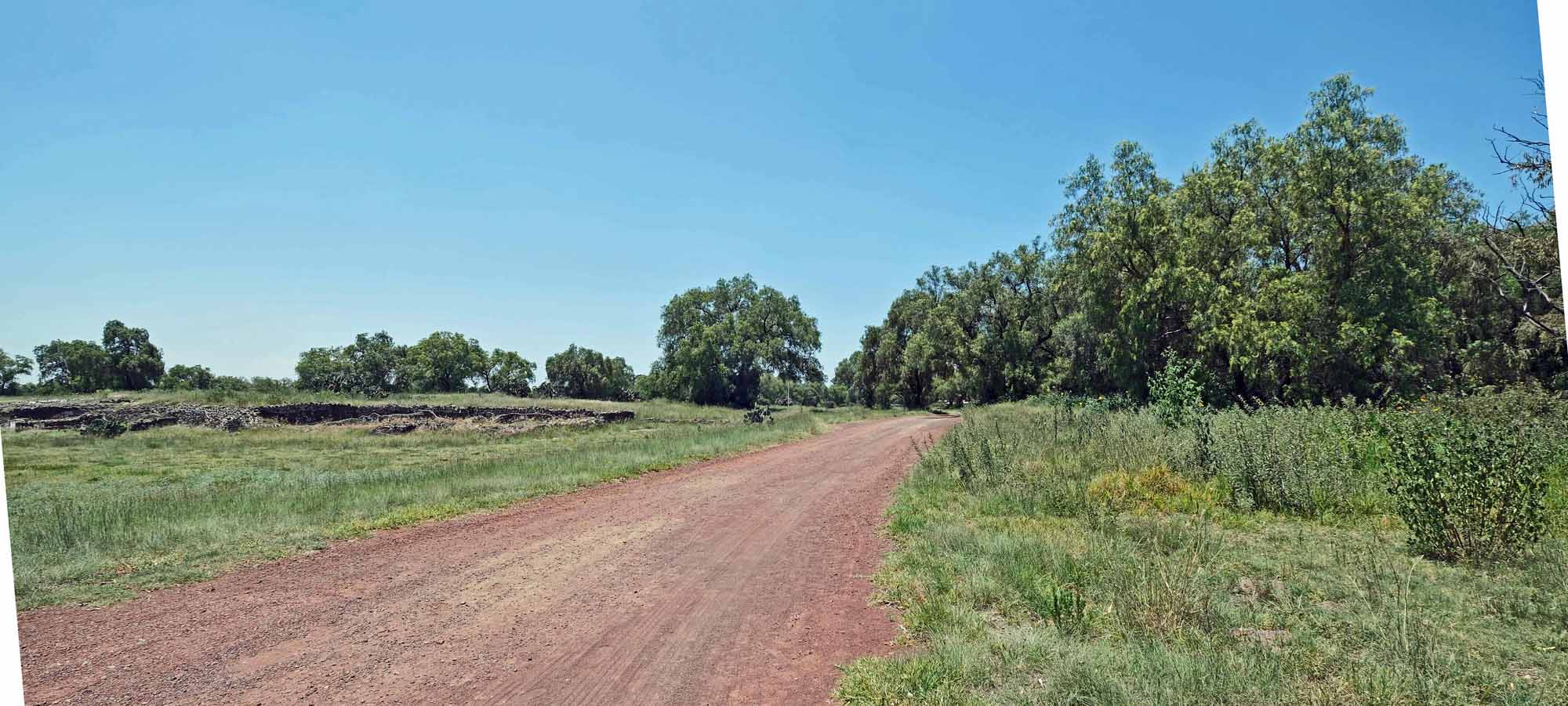
Photo 10↓...Further on, the Great Compound spreads out on higher ground to the east, so the Street of the Dead and the Citadel are not visible.
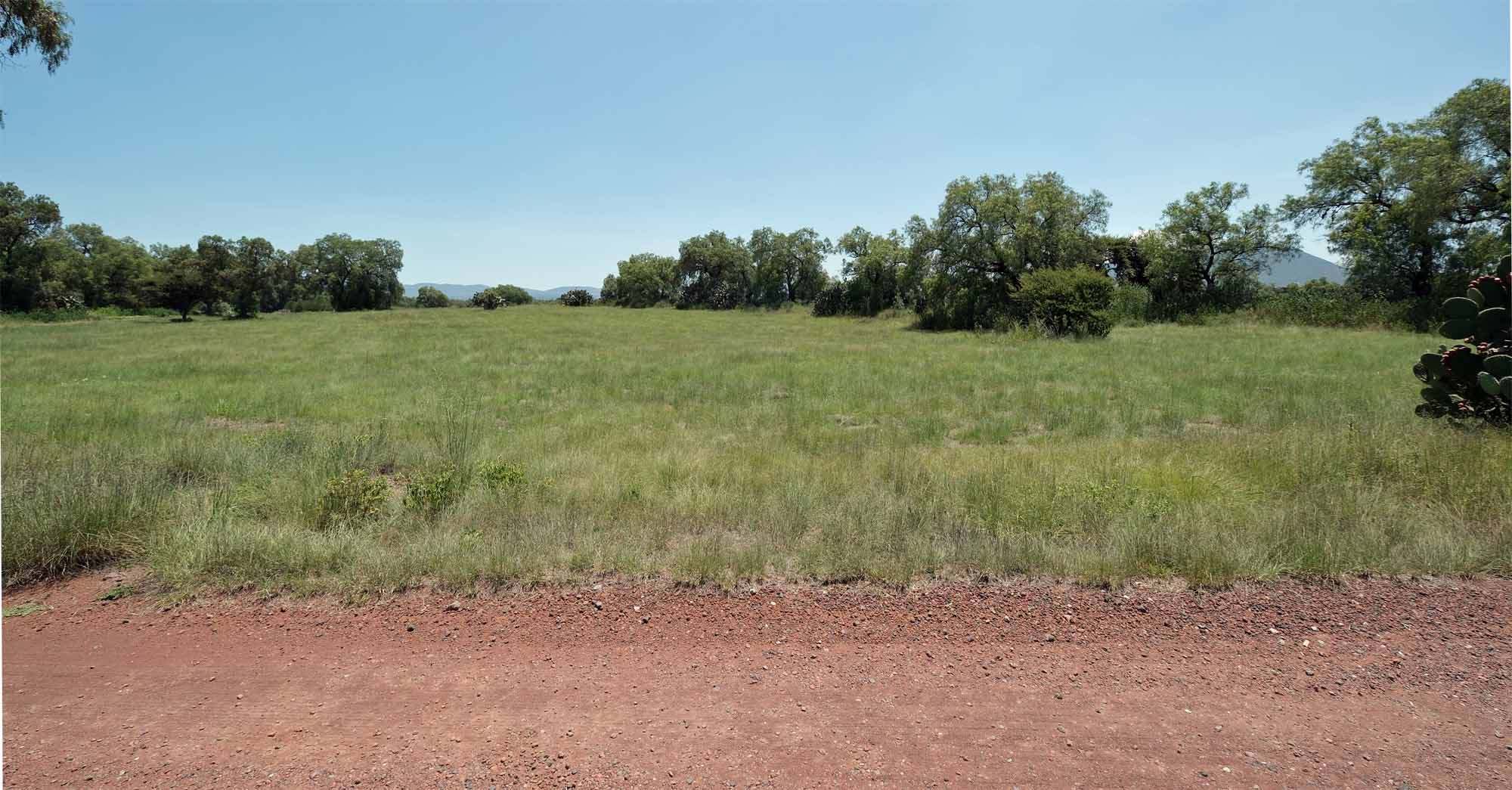
Photo 11↓... If you walk further, you will come to a outer road. A white car is driving on the outer road. The Teotihuacan park is surrounded by a wire fence.
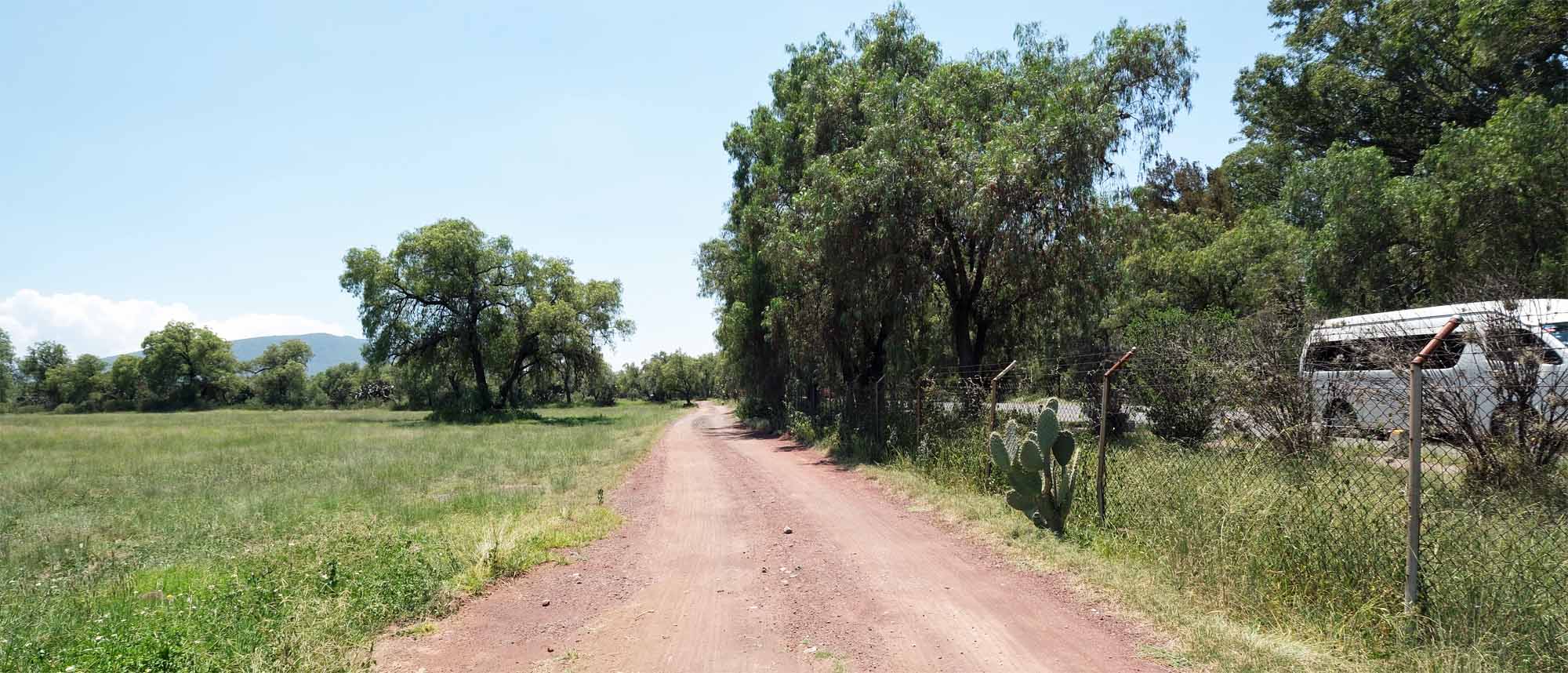
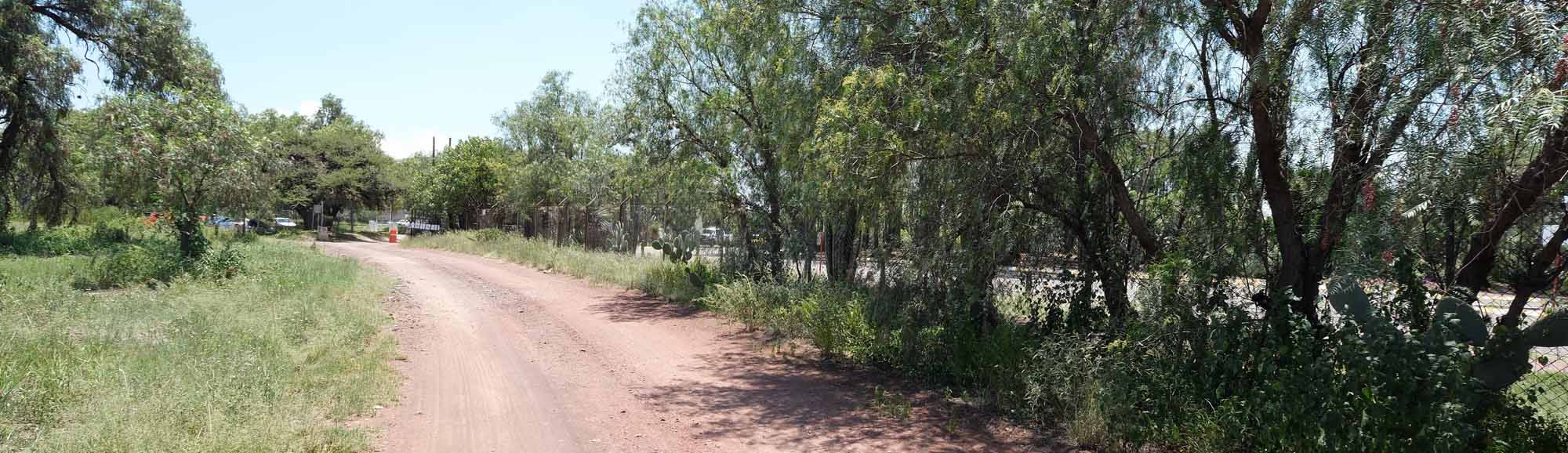
Photo 12↓...As we headed south along the outer road, we could see Puerla 1 parking lot in the distance.
So, what was the Great Compound? The most likely hypothesis is that it was Teotihuacan's only marketplace. A huge city with a vast trade area covering almost the entire Mexican Basin and a population of 120,000 people needed a huge marketplace for bartering. The 14 buildings were likely warehouses and administrative buildings.
It is reasonable to assume that management was carried out by the government, rather than by a specific elite, from 100 AD to 378 AD.
It seems that no significant additions were made between 400 AD and 550 AD. Government control was merely formal, and actual management and operation may have been held by the elites in the nearby West Plaza, Superimposed buildings, and Northwest Complex on the San Juan River.